

Four Milan markets deserve a spot on your itinerary: Mercato Centrale for a lively, multi-vendor food hall experience; Mercato della Terra for Slow Food farmers selling seasonal produce; Mercato Agricolo dei Navigli for organic goods and evening aperitivo; and a handful of revitalized covered markets that are now managed by Sogemi under its new City Hub model.
Each one solves a different craving. Here’s how to match your trip to the right one.
Milan’s best food markets split cleanly by purpose: Mercato Centrale for flexible daily dining, Mercato della Terra for Saturday farm-direct shopping, and Mercato Agricolo dei Navigli for organic goods and evening aperitivo.
| Point | Details |
|---|---|
| Pick by market type | Choose a food hall for flexibility, a farmers’ market for freshness and direct producer contact. |
| Saturday is market day | Mercato della Terra and Mercato Agricolo dei Navigli both run their main events on Saturdays only. |
| Watch for August closures | The Milan Earth Market sometimes pauses in August; check the calendar before visiting. |
| Covered markets are getting an upgrade | Sogemi’s City Hub plan modernized 15 historic covered markets starting in 2025. |
| Extend the trip to Lake Como | Stunning Bike Co-Tours offers guided e-bike tours, rentals, and luggage storage near Como Lago Station for travelers heading north after Milan. |
Milan’s food scene splits into three distinct experiences, and knowing which is which will save you a wasted trip. A food hall like Mercato Centrale is built for grazing and mingling. A farmers’ market like Mercato della Terra is built for buying direct from the people who grew your dinner. A covered neighborhood market is where locals actually do their weekly shopping, tourists rarely included.
Mercato Centrale Milano sits inside Milano Centrale train station, spread across two floors with roughly 32 artisan shops, a radio lab, and rotating event spaces. It’s open every day of the week, so it works as a fallback whenever your schedule falls apart. The vendors lean into showmanship, cooking dough and grilling meat where you can watch, which the market itself describes as offering “content and container” rather than a plain transactional stop. Come for fresh pasta, Neapolitan-style pizza, and a genuinely good espresso between train connections.
Mercato della Terra, the Milan Earth Market run by Slow Food, gathers numerous farms every Saturday in the morning to early afternoon at Fabbrica del Vapore, near the Cenisio subway stop. Producers sell seasonal vegetables, cheese, cured meat, and baked goods, with a few stalls set up for on-site eating.
Mercato Agricolo dei Navigli runs every Saturday in the canal-side Navigli district, connecting shoppers to organic producers from Lombardy and Piedmont. It also keeps a permanent storefront at Via Cellini 21 for weekday visits when the Saturday market isn’t running.
Beyond those three, a wave of covered neighborhood markets across the city has been getting a facelift. Sogemi, Milan’s food logistics authority, took over management of 15 historic covered markets in 2025, standardizing hours and upgrading facilities under its City Hub plan. These smaller markets, tucked into residential neighborhoods, sell everyday groceries and rarely see tourists. They’re worth a detour if you want to feel like Milan actually lives there.
Milan’s markets reward the hungry and the curious in roughly equal measure. A handful of dishes show up again and again, and knowing what to look for will keep you from wasting stomach space on something forgettable.
Spotting the best stall is mostly about reading the room. A queue of locals, not tourists, is the strongest signal. Handwritten Italian-only signs usually mean the vendor isn’t chasing foot traffic from outsiders, a good sign for authenticity. Visible prep work, small batch sizes, and a menu that changes with the season all point to a stall that’s cooking rather than reheating.
Pro Tip: Order half portions or split plates whenever a stall offers them. Markets are built for grazing, and you’ll try three times as many dishes if you don’t commit to a full plate at every stop.

Milan’s markets run on a mix of cash and card, though contactless payment has become the norm at Mercato Centrale and most producer stalls at the farmers’ markets. Smaller vendors at the neighborhood covered markets still lean cash-first, so keep some euros on hand. A few Italian basics go a long way: “Quanto costa?” (how much does it cost), “Posso assaggiare?” (can I taste it), and “Un etto, per favore” (a hundred grams, please) will get you through most transactions with a smile.
Not every Milan market delivers the same experience, and the label matters more than travelers expect.
If you want atmosphere and flexibility, pick the food hall experience. If you want to talk to the person who grew your tomatoes, pick the farmers’ market.
Sogemi’s City Hub initiative took over management of 15 historic covered markets in 2025, a shift aimed at standardizing quality and modernizing facilities across the city. The change is reshaping vendor mixes and hours at markets that had operated with little coordination for decades.
Meanwhile, the Milan Earth Market sticks to a strict local-sourcing philosophy: Slow Food limits vendors to producers within roughly a 40 km radius, prioritizing short supply chains over volume. That rule is also why the market sometimes closes in August, when many small farms pause for the season. Check the event calendar before planning an August visit, since a dark stall list can derail a Saturday trip.
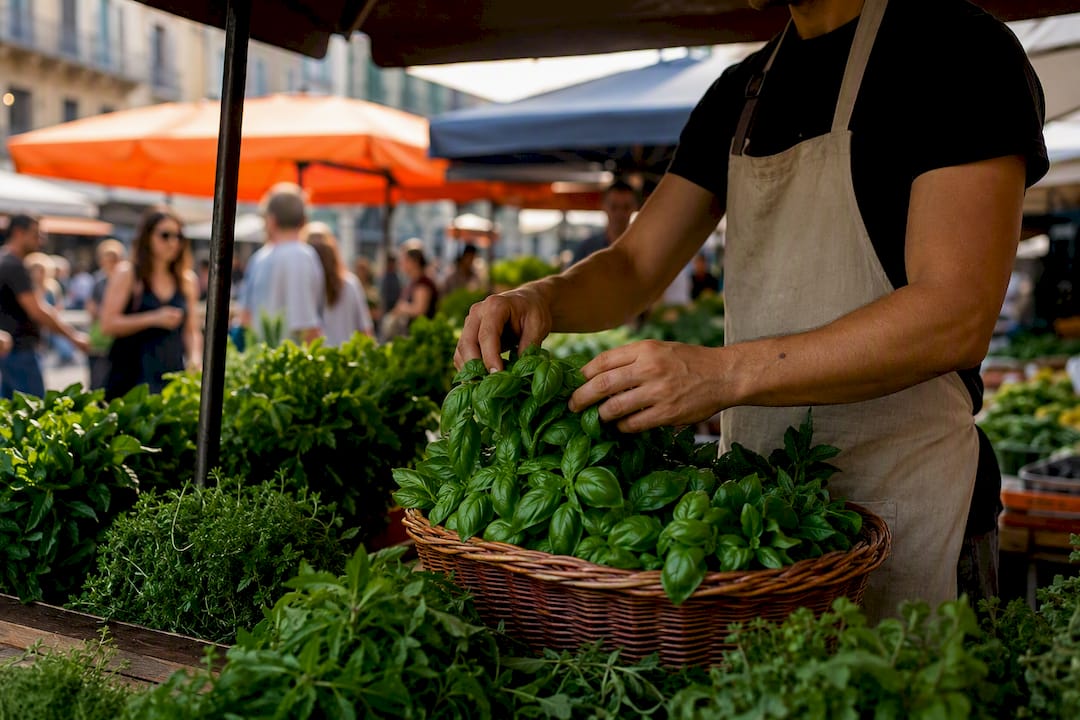
One easy pairing: combine a Saturday market stop with a short bike ride through a nearby neighborhood, or extend north for a full day exploring Lake Como with a guide who knows the region.
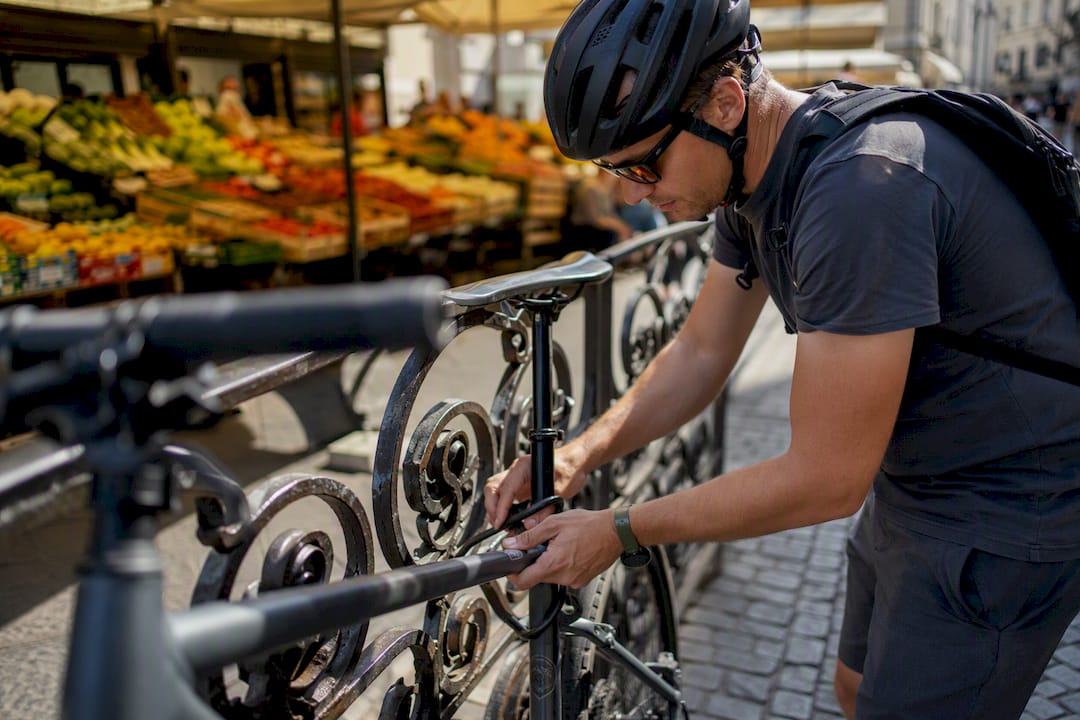
Once you’ve filled up at Milan’s markets, the natural next stop is Lake Como, just under an hour away by train. Stunning Bike Co-Tours gets you exploring the lake’s shoreline without the fatigue of walking, using multilingual audio guides built into the helmet so you’re never stuck squinting at a paper map. That’s a meaningfully different experience than what you’ll find from the motorbike rental shop a few doors down from our storefront near Como Lago Station. We rent bikes and e-bikes and run guided tours; they’re mainly set up for motorbikes. Look for the shop with the large window lit by LED bikes, tucked inside the shopping hall.
We also offer luggage storage near the train station, handy if you’re coming from a Milan market crawl and don’t want to haul a suitcase around the lake. Combine that with an e-bike tour or rental from Como Lago Station for a full day on two wheels, or check the Milan to Lugano e-bike day trip guide if you want to string together a longer route. Book your rental or guided tour online before you arrive, since summer weekends fill up fast.
Check each market’s official page for August or holiday closures before you go.
Mercato Centrale is the best all-around pick for its daily hours and variety, while Mercato della Terra wins for anyone chasing farm-direct produce.
Yes. Its two floors of artisan vendors, daily hours, and location inside Milano Centrale make it an easy stop even on a tight schedule.
Mercato Centrale, Mercato della Terra, and Mercato Agricolo dei Navigli cover the three main experiences: food hall, farmers’ market, and organic producer market.
Panzerotto is the market favorite, alongside fresh focaccia, arancini, and gelato from artisan stalls.
Yes. Many travelers pair a morning at a Milan market with an afternoon train north, then join a guided e-bike tour with Stunning Bike Co-Tours around the lake.