


The role of storage during day trips comes down to one thing: it frees your hands and your head so you actually see the place you traveled to. Drop your bag, and you stop calculating whether your shoulders can survive another hour of museum hallways or lakeside stairs. Hotels, museums, and staffed drop-off services all offer some form of short-term luggage solutions, and staffed options in particular are growing fast because travelers want flexible hours, not a locker that closes before their train does.
The payoff isn’t just comfort. Travelers who offload bulky bags cover more ground, linger longer at the spots worth lingering at, and stop treating their itinerary like a hostage situation dictated by a rolling suitcase.
Pro Tip: Call ahead before you arrive with your bag in hand. A five-second phone call can save you a 20-minute walk to a locker room that’s already full.
Storage during day trips works because it removes physical weight and mental friction, letting travelers move faster and see more in the same amount of time.
| Point | Details |
|---|---|
| Storage enables hands-free exploration | Dropping bags early means more energy for walking, climbing, and sightseeing. |
| Match option to your schedule | Use bookable staffed drops for rigid plans, lockers for flexible short windows. |
| Pack to reduce storage needs | A three-layer day bag with packing cubes cuts down on what you need to store at all. |
| Insurance coverage varies by option | Staffed services often insure stored items; lockers typically do not. |
| Provider storage suits activity-based days | Stunning Bike Co-Tours offers staffed luggage storage near Como Lago for riders and tour guests. |
Every storage option solves a slightly different problem, and picking the wrong one is how people end up sprinting for a train with a duffel bag banging against their knees.
Hotel and hostel luggage holds are often free for guests before check-in or after check-out, and some will hold bags for non-guests too, though policies vary by property. Many hotels treat this as a routine courtesy rather than a paid add-on, but always confirm hours before you walk over.
Self-service lockers at train stations and airports work well for short windows. The catch: they’re first-come, first-served, and during high season the good ones vanish by 9 a.m.
Staffed drop-off services and storage apps let you book a slot in advance, often insure your bag, and tend to accommodate larger or oddly shaped luggage that lockers reject outright.
Attraction coatrooms and museum storage sit right where you need them, but space is tight and rules differ wildly between institutions. Some take backpacks; some won’t touch anything bigger than a purse.
Tour-provider or bike-shop storage makes sense the moment you’re renting equipment anyway. If you’re already handing over a deposit for a bike, storing your bag with the same team saves a separate errand.
Don’t overthink this. Run through five checks and you’ll land on the right choice almost every time.
Pro Tip: If your day involves a hard deadline, like catching a specific ferry, always choose bookable staffed storage over a locker. Lockers can’t promise you a spot; a reservation can.
The best storage strategy is needing less of it. A tight day-bag system means you’re not lugging your whole suitcase around just to reach your phone charger, as explained in this smart packing guide that helps travelers organize essentials efficiently.
Build your bag in three layers: an access layer for water, wallet, and phone; an activity layer for whatever the day demands, sunscreen, a rain shell, a swimsuit; and a bottom layer for anything bulky you’re carrying but rarely touch. Packing cubes keep your checked bag organized during multi-stop trips, and testing from Travel + Leisure found that hanging toiletry bags and cube systems noticeably cut down on suitcase clutter and speed up access. A padded pouch for a camera or tablet, tucked into the access layer, protects electronics without slowing you down at security checks or storage counters.
| Point | Details |
|---|---|
| Three-layer bag system | Sort items into access, activity, and bottom layers so retrieval takes seconds. |
| Cubes reduce clutter | Packing cubes and hanging organizers keep bags tidy through multi-stop days. |
| Five-minute morning habit | Refill water, snacks, meds, and chargers before you leave to avoid backtracking. |
Prices and availability follow predictable patterns once you know what to look for. Short-hour lockers usually charge a low rate per hour or per block, which adds up fast if you’re out for eight hours. Staffed drop-off services tend to charge a flat daily rate or tiered pricing based on bag size, which often works out cheaper for a full day. Hotel holds are typically free for guests, which is reason enough to ask before you book a locker elsewhere.
Booking behavior differs too. Lockers are grab-and-go, no reservation possible. Staffed points and apps commonly let you reserve ahead, which matters if you’re arriving early and dropping bags before checking into your accommodation later, or arranging a late pickup after a long dinner.
Handing your bag to a stranger, even a well-meaning locker system, means accepting some risk. The good news: most legitimate options manage that risk well, as long as you know what to look for.
Staffed luggage services frequently advertise insurance or declared-value protection for stored items, something self-service lockers almost never offer. That gap matters more than most travelers realize until something goes missing. If a service can’t tell you what happens if your bag is damaged or lost, that’s your answer: walk away and find one that can.
Look for three concrete signals before you hand over your bag. First, is there a staffed desk, not just a wall of unattended lockers? Second, are there visible security cameras covering the storage area? Third, do you get a physical or digital receipt with a claim number, not just a verbal promise?
Travel insurance policies sometimes cover stolen or damaged items left in storage, but coverage varies by provider and policy tier, so check your existing policy’s fine print rather than assuming you’re covered. For higher-value items like laptops or camera gear, consider carrying them in your day bag instead of storing them, even if that means a slightly heavier bag for a few hours. The inconvenience is smaller than the risk of an uninsured loss.
If your day trip involves renting a bike or joining a guided tour, storing your bag with that same provider often beats hunting for a separate locker across town. Stunning Bike Co-Tours runs a luggage-storage service near Como Lago Station, giving riders a secure, staff-handled spot to drop bags before pedaling off toward the lake.
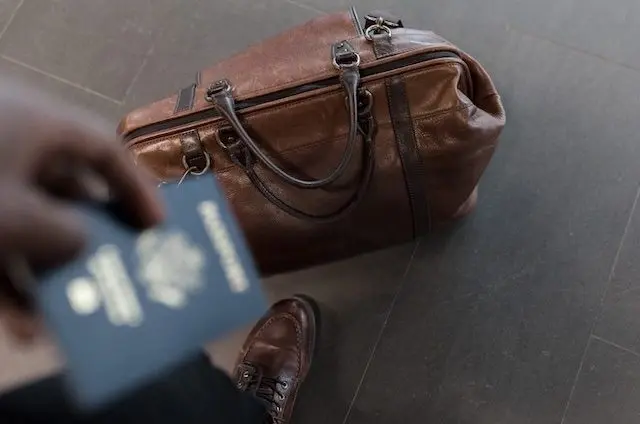
The setup makes sense for a specific kind of traveler: someone already renting equipment or booking a guided bike tour who doesn’t want a second errand. Beyond storage, the brand has built a reputation on multilingual audio guides, helmet-integrated audio narration, and well-maintained bikes, backed by over 4,000 satisfied customers and a strong run of five-star reviews.
One quick note for anyone new to the area: Stunning Bike Co-Tours is not the same as Como Rental Solutions, a nearby shop that mainly rents motorbikes. The two get confused often enough that it’s worth saying plainly. You’ll find Stunning Bike Co-Tours inside a shopping hall just off the street, easy to spot thanks to a large, LED-lit bike display in the storefront window.
Not every day trip has the same storage needs, and treating them identically is how people end up with the wrong gear in the wrong place.
Hiking trips demand storage that can handle poles, boots, and layered clothing that don’t fit a standard locker slot. A staffed drop-off or bike-shop storage point tends to have more flexible size allowances than a coin-operated locker. City touring days benefit most from central storage near a transit hub, since you’ll likely bounce between multiple sites and want your base point easy to return to. Beach days introduce sand and moisture concerns, so a sealed bag inside your storage item protects against damage to electronics or documents even if the storage location itself is secure.

Most travel advice treats storage like an afterthought, something to Google in a panic the night before a trip. That’s backwards. The research on this is consistent: travelers who plan their storage and their packing system together move faster and stress less than those who treat storage as a last-minute scramble.
The overlooked piece is that packing well and storing well aren’t separate skills. A traveler with a tight three-layer day bag rarely needs storage at all except for the bulk items they’re not using that day. Meanwhile, someone who packs loosely ends up dependent on finding a locker, and lockers are the least reliable option on the list. Staffed drop-offs and provider storage consistently beat lockers on flexibility and security, yet lockers remain the default choice simply because they’re visible and familiar.
If you take one thing from this, prioritize the packing system first. Storage becomes a convenience rather than a necessity, and that shift changes how your entire day feels.
— Andrea
Stunning Bike Co-Tours gives day trippers a single stop for both storage and adventure, instead of juggling a locker hunt and a separate bike rental across town. Drop your bag with staff who handle it directly, then head out on a premium bike with multilingual audio guiding you through the lake’s best routes, no walking fatigue, no divided attention between your luggage and your itinerary.
Riders get access to helmet-integrated audio narration and well-maintained equipment, all from a team that’s guided over 4,000 happy customers through Como’s shoreline. If you’re arriving near Como Lago Station with bags in hand, this is the rare case where storage and your day’s main activity live under the same roof.
Check bike and tour availability now on the Lake Como eBike tour and rental page and reserve your spot before the day’s slots fill up.
Most hotels hold bags for free for their own guests before check-in or after check-out, though policies for non-guests vary and it’s worth calling ahead.
Many staffed drop-off services advertise insurance or declared-value protection for stored items, a guarantee that self-service lockers typically don’t offer.
Yes. Stunning Bike Co-Tours offers staffed luggage storage near Como Lago Station, ideal for travelers combining a bike rental or guided tour with their day trip.
Rules vary by institution, but many museum coatrooms accept only smaller bags and reject oversized backpacks or luggage, so checking ahead saves a wasted trip.
Book ahead whenever your schedule includes a fixed deadline, like a train or timed tour entry, since staffed services and apps often allow reservations while lockers do not.