

A bike rental service provides bicycles for short-term use, giving individuals and families a flexible, affordable way to explore scenic destinations without owning a bike. Standard rental periods run from one to 24 hours, with pricing typically ranging from $15 to $40 for a standard urban bicycle. Tourists, day-trippers, and adventure-seeking families make up the core audience for these services. Whether you want to trace the shoreline of a legendary lake or weave through a historic town center, a bike rental puts the experience directly in your hands. Some destinations also offer e-bikes and guided tours, expanding what a bike hire service can deliver.
The rental process follows a clear, predictable path from booking to return. Most shops offer two entry points: walk-in service or online reservation. Online booking locks in your preferred bike type and time slot before you arrive, which matters on busy weekends when bike turns reach 4–5 per day at popular urban locations.
The typical steps look like this:
Pro Tip: Ask staff to adjust the saddle height before you leave the shop. A correctly fitted bike reduces fatigue on longer rides and prevents knee strain.
What does bike rental insurance cover? Most standard agreements cover third-party liability but not personal injury or theft. Confirm coverage details with the shop before you ride.
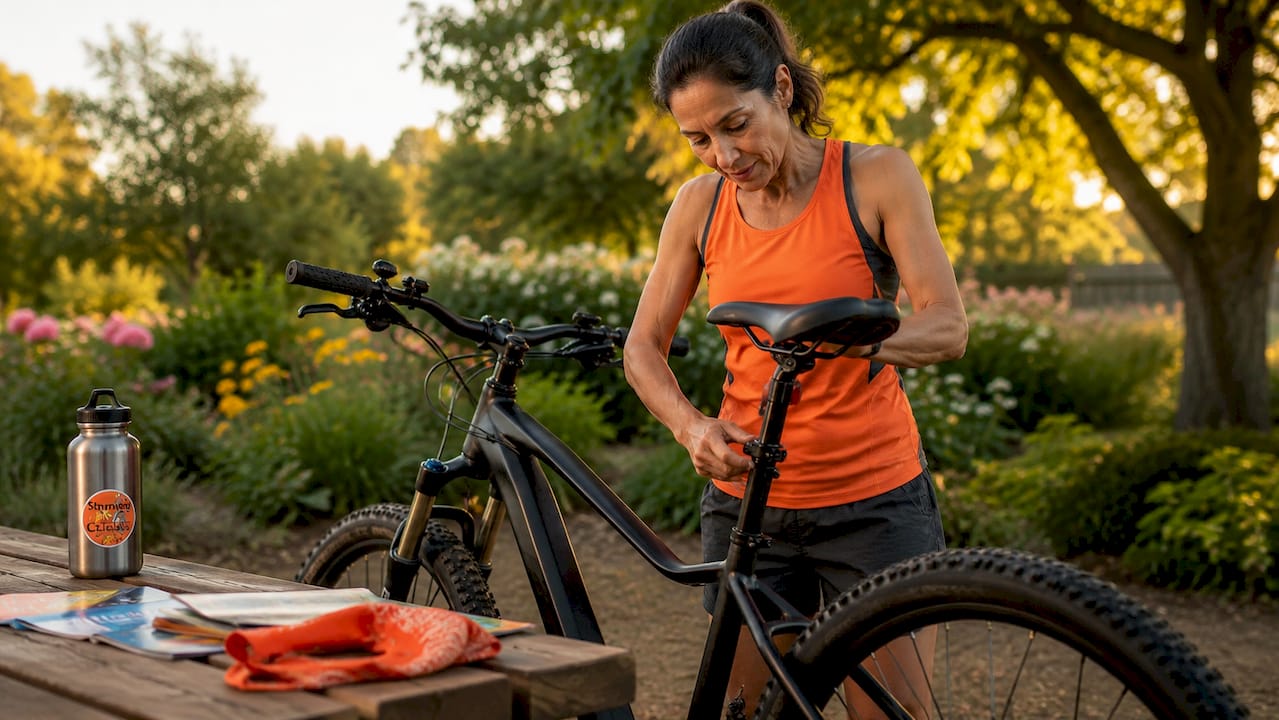
The bike hire market splits into three main categories: standard pedal bikes, e-bikes, and guided tours. Each suits a different rider profile and travel goal.
Standard pedal bikes are the most affordable option and require no special license. They work well for flat terrain and short distances. E-bikes, or pedal-assist bicycles, add an electric motor that engages when you pedal. Pedal-assist e-bikes are classified as bicycles in most jurisdictions, meaning no special license is required. The motor cuts out at a set speed, typically 15–20 mph, keeping the ride legal and safe on shared paths.
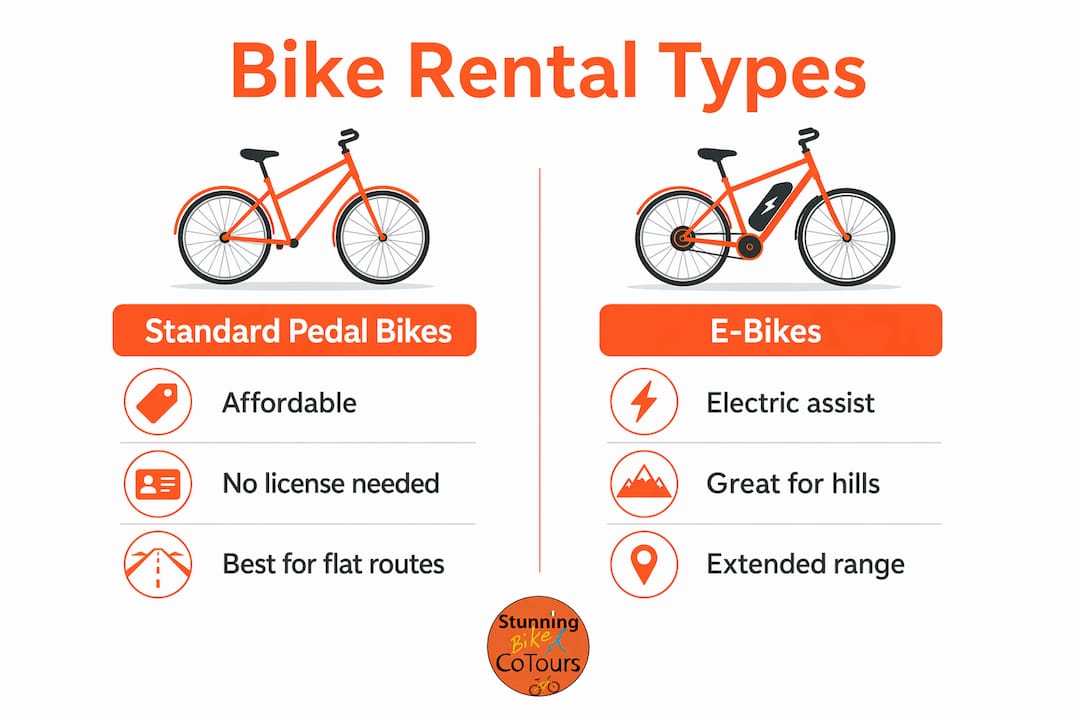
E-bikes open hilly or longer routes to riders who would otherwise find them exhausting. A family with mixed fitness levels can ride together comfortably when the less experienced members use electric assist. Test the pedal-assist modes and check the battery level before leaving the rental shop. A quick one to two minute test ride near the shop prevents unpleasant surprises mid-route.
| Feature | Guided bike tour | Self-guided rental |
|---|---|---|
| Navigation | Guide leads the route | Rider uses maps or apps |
| Cultural context | Expert commentary included | Rider researches independently |
| Cost | Typically 20–35% higher | Lower base price |
| Flexibility | Fixed itinerary and pace | Ride at your own schedule |
| Best for | Families, first-time visitors | Experienced riders, solo travelers |
Guided tours cost more than self-guided options, but they remove navigation stress entirely and add cultural depth that most riders miss on their own. Self-guided riders spend a meaningful portion of their ride on navigation tasks rather than taking in the scenery around them.
Key advantages of guided tours include:
Pro Tip: If you are visiting a UNESCO World Heritage site or a destination with dense history, a guided tour pays for itself in context alone. You will leave knowing the stories behind what you saw.
App-based bike-share systems work well for quick point-to-point trips in city centers. Traditional rental shops outperform app-based services for day-long scenic exploration because they offer better-maintained bikes, proper fitting, and real human advice. For tourists planning a half-day or full-day adventure, a dedicated rental shop is the stronger choice.
Choosing the right rental comes down to four practical factors: safety, comfort, local knowledge, and the type of experience you want.
“The best bike rental shops do not just hand you a bike. They hand you a plan. Staff who know the local roads, the hidden viewpoints, and the safest routes turn a simple rental into a genuinely memorable day out.”
Safety and bike quality are the clearest advantages of established rental shops. Staff perform pre-ride safety checks on brakes, tires, and gears before every rental. A well-maintained fleet means you ride confidently, not nervously.
Family-friendly features matter more than most travelers realize. Look for shops that offer step-through frames for easier mounting, child seats or trailer attachments, and helmets sized for kids. Adjustable bikes that fit multiple riders in one family group save time and money.
Local route advice transforms a good ride into a great one. Rental shop staff provide insider recommendations that go far beyond what any navigation app offers. They know which paths are shaded in the afternoon heat, which viewpoints most tourists miss, and which roads to avoid on market days.
E-bike comfort considerations deserve attention before you book. Check that the battery range covers your planned route with margin to spare. Ask about the weight of the bike, since heavier e-bikes can be harder to handle on narrow paths or when dismounting on a slope.
Online booking removes the single biggest friction point in the rental process: uncertainty. You confirm your bike type, rental duration, and time slot before you travel. That matters when you are coordinating a family trip and cannot afford to arrive and find your preferred bikes already taken.
Benefits of booking online include:
Rental shops serve as local guides with route advice and knowledge of hidden scenic spots that no app replicates. The combination of a smooth online booking system and attentive in-person service is what separates a premium rental experience from a transactional one. When you arrive at Stunning Bike Co-Tours, for example, the team greets you with your bike already prepared and a route suggestion ready to go.
One practical note for visitors to Lake Como: the area has more than one rental business near the waterfront. Stunning Bike Co-Tours specializes exclusively in bicycles and guided cycling experiences. Look for the large illuminated LED store window inside the shopping hall. That is the shop. Neighboring businesses in the area focus primarily on motorbike rentals, which is a completely different service with different licensing requirements and a different riding experience.
Avoiding common pitfalls is straightforward with the right preparation:
A bike rental service gives tourists and families flexible, short-term access to well-maintained bicycles, with guided tours and e-bikes expanding the options for every skill level and travel goal.
| Point | Details |
|---|---|
| Rental pricing and duration | Standard bikes rent for $15–$40; periods run from one hour to a full day. |
| E-bike age and safety rules | Most shops require riders to be at least 18; always test assist modes before leaving. |
| Guided tours add real value | Guided tours cost 20–35% more but eliminate navigation stress and add cultural context. |
| Traditional shops beat apps for day trips | Rental shops provide safety checks, fitting, and local route advice that app-based shares cannot match. |
| Online booking reduces friction | Reserving in advance guarantees your bike and cuts check-in time significantly. |
The most common mistake I see is treating a bike rental like a vending machine transaction. Tourists walk in, grab the first available bike, and head out without asking a single question. They miss the best viewpoints, ride the wrong routes for their fitness level, and sometimes return frustrated because the bike was not fitted properly.
The shops that genuinely serve their customers well do something different. They take two minutes to ask where you are going, how long you plan to ride, and whether anyone in your group has physical limitations. That conversation changes everything. A family with young children gets a different route recommendation than a solo rider training for distance. An older couple gets a different bike setup than a twenty-year-old on a weekend adventure.
I have also noticed that the social atmosphere of guided tours creates something self-guided rentals rarely achieve: a shared experience. Families who take guided tours together talk about them for years. Families who self-guided often remember the wrong turn more than the view.
The other thing worth saying plainly: not every rental business near a scenic destination is a bike rental business. Some nearby operations focus on motorized vehicles and simply have bikes as a secondary offering. If you want a bicycle specialist, look for a shop where bikes are the entire focus, the staff can discuss saddle height and gear ratios, and the fleet is maintained to a standard that reflects genuine pride in the product. That distinction matters more than the price difference.
— Andrea
Lake Como deserves more than a quick glance from a café terrace. Stunning Bike Co-Tours offers half-day bike rentals, full-day rentals, and evening rides along the lake’s most breathtaking routes. Every bike in the fleet is inspected before each rental, and the team provides personalized route advice for every group. With over 4,000 happy customers and a wall of five-star TripAdvisor reviews, the experience speaks for itself.
Find the shop inside the shopping hall, marked by the large illuminated LED store window. Book online to secure your preferred time slot and arrive ready to ride. The golden light on Villa Olmo at dusk is worth every pedal stroke.
A bike rental service provides bicycles for short-term use, typically ranging from one hour to a full day, serving tourists and families who want to explore an area without owning a bike. Pricing for standard urban bikes generally falls between $15 and $40.
An e-bike rental provides a pedal-assist bicycle that uses an electric motor to reduce rider effort on hills and longer distances. In most jurisdictions, pedal-assist e-bikes are classified as standard bicycles, so no special license is required, though most shops set a minimum age of 18.
A bike rental agreement outlines your responsibility for the bike during the rental period, including damage liability, deposit conditions, and return time. Most agreements also specify what the shop’s insurance covers, typically third-party liability but not personal theft or injury.
A guided bike tour pairs you with a local expert who leads the route, provides cultural commentary, and handles all navigation. Guided tours cost 20–35% more than self-guided rentals but deliver a richer, lower-stress experience, especially for first-time visitors and families.
Online booking guarantees your preferred bike and time slot before you arrive, cuts check-in time at the shop, and shows the full price upfront. For families coordinating a day trip, that certainty makes planning significantly easier.