

Renting a bike is defined as paying for temporary access to a bicycle without taking on ownership costs, maintenance duties, or depreciation risk. For most people exploring biking as a transportation option, renting beats buying on every practical measure until they commit to at least 18 months of daily riding. Hidden ownership costs for e-bikes alone can reach €2,000–€3,000 over three years, a figure most casual riders never anticipate. Stunning Bike Co-Tours has seen this pattern play out with over 4,000 customers at Lake Como: the riders who rent leave happy, while those who bought bikes back home often wish they had started with a rental first.
Renting eliminates the single biggest barrier to cycling: the upfront purchase price. A quality commuter bike costs £600–£5,000 to buy outright, while a rental typically runs a fraction of that as a low monthly or daily fee with no capital tied up.
The hidden costs of ownership go far beyond the sticker price. E-bike maintenance alone costs €800–€1,200 annually, covering battery servicing, brake adjustments, drivetrain wear, and tire replacement. Rental fees absorb all of those expenses, so you pay one predictable amount and ride without surprise bills.
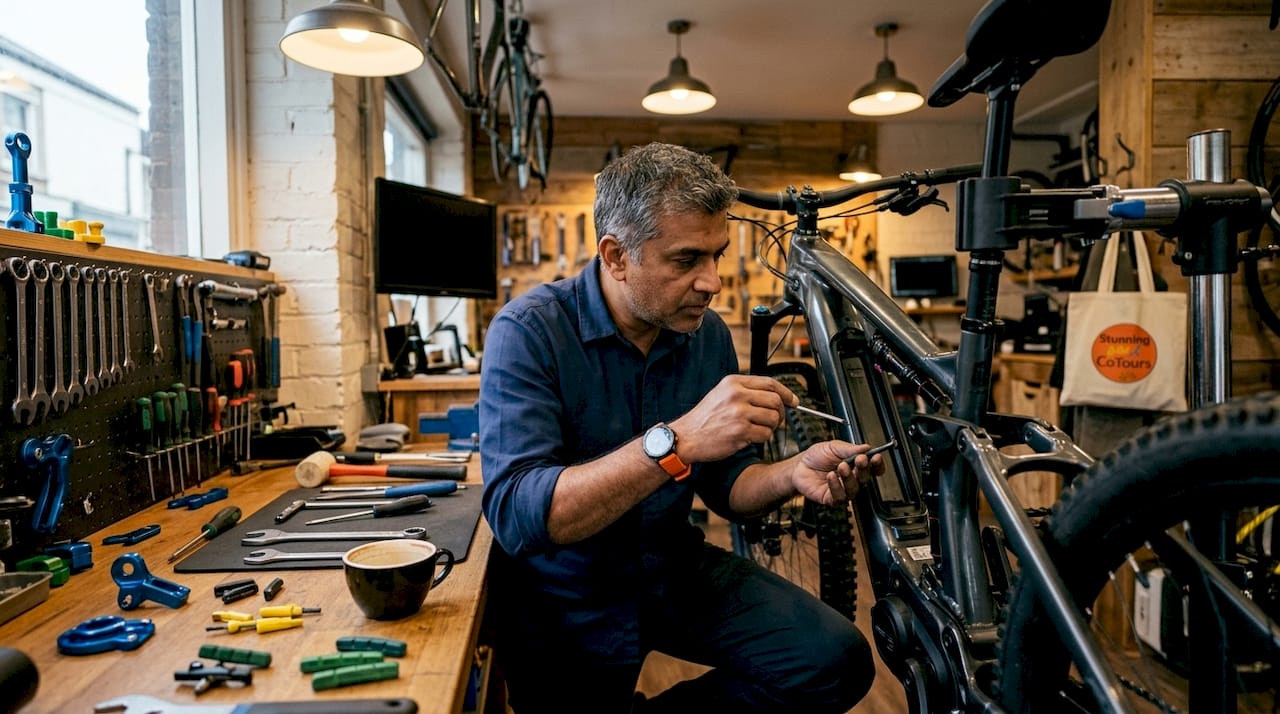
Depreciation is the cost most buyers forget entirely. Reselling a bike typically returns only 60–70% of the purchase price, meaning a 30–40% loss the moment you decide to move on. Renting sidesteps that loss completely. You return the bike and walk away with no financial residue.
Rental agreements also cover theft protection and remove the need for separate insurance renewals. Ownership exposes you to unpredictable repair costs that can spike after a single accident or mechanical failure. Renting converts those variables into a fixed, manageable fee.
| Cost category | Renting | Buying |
|---|---|---|
| Upfront cost | None | £600–£5,000 |
| Annual maintenance | Included | €800–€1,200 (e-bikes) |
| Depreciation on resale | None | 30–40% loss |
| Theft and insurance | Usually included | Separate annual cost |
| Break-even point | Stays favorable under 18 months | Pays off after 18+ months of daily use |
Pro Tip: If your capital is tied up in a bike you rarely ride, you are paying depreciation on an idle asset. Renting aligns your cost directly with your actual usage, which is the financially rational choice for anyone who rides fewer than five days a week.
Renting gives you access without commitment. You pick up a bike when you need one, return it when your plans change, and never worry about what to do with it during a move, a long trip, or a change of season.
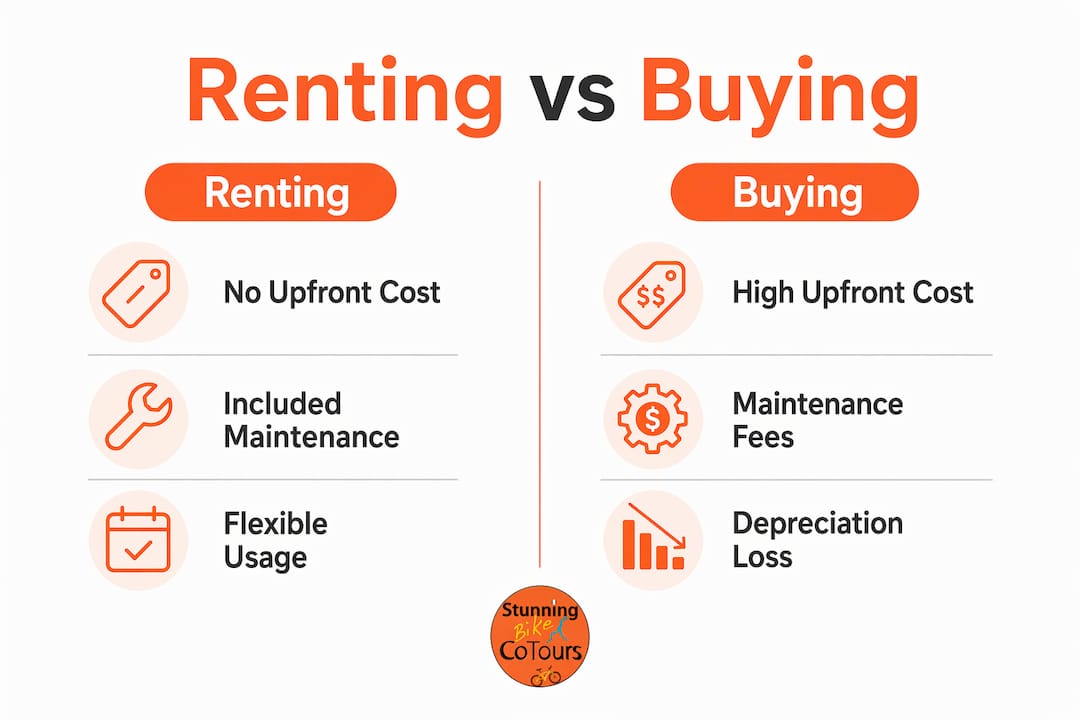
Ownership locks you into one model, one size, and one set of components. Renting lets you swap to a different bike to match the weather, the terrain, or your fitness level on any given day. Students relocating between semesters, professionals on short-term contracts, and travelers passing through a city all benefit from this freedom.
The practical burdens of ownership are real and underestimated:
Most bikes sit unused for 90% of their lifespan. That statistic is not an exaggeration. It reflects the reality that ownership enthusiasm fades, life gets busy, and the bike ends up in a corner gathering dust while still losing value.
Pro Tip: Before you buy, track your actual riding days over one full month. If you ride fewer than 15 days, renting will cost you less and stress you less for the foreseeable future.
Travel environments expose every weakness of bike ownership and every strength of renting. Lake Como is a perfect example. The roads are steep, narrow, and winding. Parking is scarce. Taxis are expensive and slow.
Taxi waits at Lake Como average 10–15 minutes, and combining a ferry with a taxi quickly exceeds the flat daily rental fee for an e-bike. A rented e-bike gets you moving immediately, costs less for a full day than a single taxi ride across town, and takes you places no car can reach.
The benefits of renting in a travel setting include:
“Renting pedal-assisted e-bikes unlocks authentic experiences that car travel simply cannot offer in regions like Lake Como. Riders access hidden locales, reduce their environmental footprint, and connect with the landscape at a human pace that transforms sightseeing into genuine discovery.”
Mobility is shifting in 2026 from ownership toward access-based models that prioritize convenience and reduce idle assets. Lake Como is exactly the kind of destination where that shift makes the most sense. The same logic applies to jet ski rentals and other lake-based experiences: renting gives you premium access without the burden of ownership.
Buying makes financial sense under a specific and narrow set of conditions. Ownership rewards riders who commit to daily use over a long period with stable living arrangements and secure storage.
You ride every day for at least 18 months. The break-even point for ownership versus renting falls around 18 months of regular daily riding. Before that threshold, cumulative rental fees are almost always lower than total ownership costs including purchase, maintenance, and depreciation.
You have secure, dedicated storage. Owning a bike without a locked garage or secure indoor space dramatically increases theft risk and weather damage. Urban riders without private storage face a real and ongoing vulnerability.
You want full customization. Buying allows you to choose specific tires, racks, lighting, and accessories that match your exact riding style. Rental fleets offer quality bikes but not bespoke configurations.
Your route and lifestyle are stable. Ownership suits riders with a fixed commute, a permanent home, and no plans to relocate. Transient lifestyles, frequent travel, and uncertain living situations all tip the balance back toward renting.
Rental access is limited where you live. In some smaller towns or rural areas, rental infrastructure is thin or unreliable. If you cannot access a quality rental within a reasonable distance, ownership becomes the practical default.
The honest calculation is this: most people overestimate how often they will ride and underestimate how much owning a bike actually costs. Renting remains ideal for short-term and infrequent riders, and that describes the majority of people who are just starting to explore biking as transportation.
Renting a bike beats buying for most people until they commit to daily riding for at least 18 months, because ownership costs, depreciation, and maintenance consistently exceed rental fees for casual and occasional riders.
| Point | Details |
|---|---|
| Financial advantage of renting | Rental fees eliminate upfront costs, maintenance bills of €800–€1,200 annually, and 30–40% depreciation losses. |
| Flexibility beats ownership | Renting lets you swap models, avoid storage burdens, and return the bike anytime without capital loss. |
| Travel contexts favor renting | In destinations like Lake Como, daily rental fees undercut taxi costs and unlock terrain no car can reach. |
| Ownership break-even | Buying only pays off after roughly 18 months of consistent daily riding with secure storage available. |
| Hidden ownership costs | Insurance, theft risk, and unexpected repairs add €2,000–€3,000 over three years for e-bike owners. |
After working with over 4,000 riders at Stunning Bike Co-Tours in Lake Como, I have seen the same pattern repeat itself. Travelers who bought bikes before their trip arrive anxious about logistics. Where do they store it overnight? What if it gets scratched? Riders who rent arrive relaxed. They pick up a well-maintained e-bike, clip on a helmet with an integrated audio guide, and within ten minutes they are gliding along the lakefront with golden light catching the water.
The conventional wisdom says buying is always the smarter long-term investment. I disagree with that framing. Buying is smarter only if you actually ride consistently, which most people do not. The bike that sits in your hallway for six months is not an investment. It is an expensive piece of furniture.
What I tell every rider who asks me this question: rent first, ride seriously for a month, then decide. The Lake Como eBike rental experience has converted more casual riders into committed cyclists than any sales pitch ever could. When the riding is effortless and the scenery is breathtaking, people come back. Some of them then buy bikes. But they buy the right bike, for the right reasons, with real data about their own habits.
Renting is not a compromise. It is the modern, rational starting point.
— Andrea
Stunning Bike Co-Tours sits inside a hall of shops near Como Lago Station, easy to spot by the large illuminated LED store window that glows with bikes on display. The fleet is maintained to a high standard, covering both classic bikes and pedal-assisted e-bikes suited to every fitness level and route.
Every rental includes expert local advice from staff who know Lake Como’s roads, hidden viewpoints, and the best times to ride each route. Booking is straightforward, pricing is transparent, and the experience has earned over 4,000 five-star reviews on TripAdvisor. For visitors who want to rent a top-rated bike and start exploring Como without delay, Stunning Bike Co-Tours is the clear first stop.
Renting is cheaper for most riders until they reach roughly 18 months of consistent daily use. Hidden ownership costs including maintenance, insurance, and depreciation regularly add €2,000–€3,000 over three years for e-bike owners.
Taxi waits in Lake Como average 10–15 minutes, and combined ferry and taxi fares exceed the flat daily rate for a rental e-bike. A rental also reaches narrow lakeside paths and hidden viewpoints that taxis cannot access.
The core benefits are no upfront purchase cost, no maintenance responsibility, no depreciation loss on resale, and the freedom to return the bike whenever your plans change.
Buying makes sense when you ride daily for at least 18 months, have secure storage, and want a fully customized setup. Below that usage threshold, renting is the more cost-effective and practical choice.
Stunning Bike Co-Tours offers both standard bikes and pedal-assisted e-bikes for rent near Como Lago Station. The fleet is well-maintained, and staff provide local route guidance to help every rider get the most from their time on the lake.